FunnyBestGame

How genre shapes your development budget

The category of game you choose dictates your fundamental costs. Your chosen genre determines server architecture requirements, the scale of asset production, and the sheer volume of post-launch updates required to retain your audience.

Core app classifications

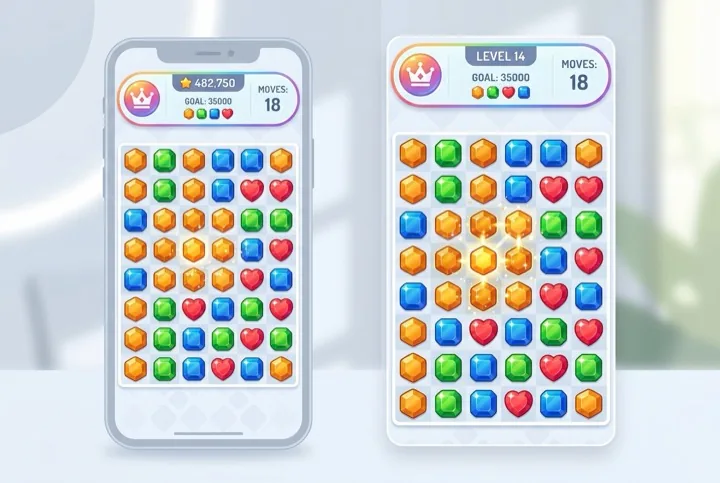
Tile matching puzzle shapes on a phone screen

Casual puzzle

Designed for brief interaction windows and a forgiving learning curve. While initial coding costs are minimal, the app store marketplace is fiercely saturated, meaning commercial success relies entirely on exceptionally clever level design.

Ball bouncing along ascending blocks

Hyper-casual

Defined by a single interaction loop and zero learning curve. These projects transition from concept to launch within a month, relying on aggressive advertising rather than in-app purchases to generate profit.

Retro arcade layout with joystick and buttons

Arcade/Runner

Built entirely around rapid reaction times and escalating difficulty curves. Flawless frame rates are infinitely more important than deep narratives, meaning poorly optimised code will instantly alienate your player base.

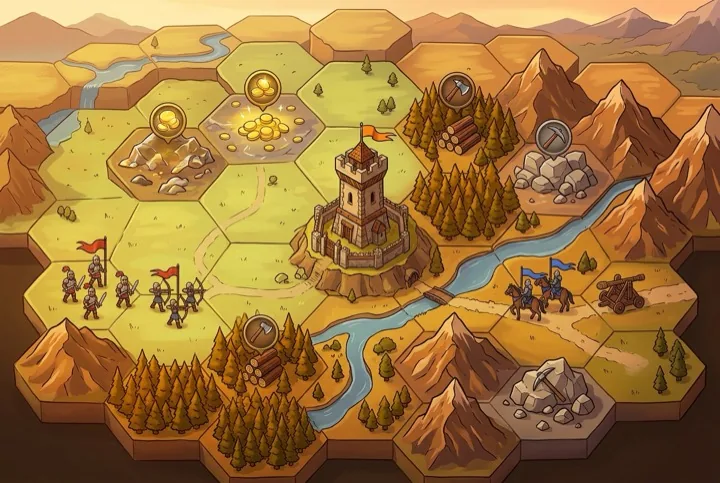
Isometric hex map with a fortress tower and resource markers

Strategy/Simulation

Demands prolonged player investment and incredibly sophisticated economic balancing. This represents the most capital-intensive sector for initial development, yet offers the greatest potential revenue per individual user.

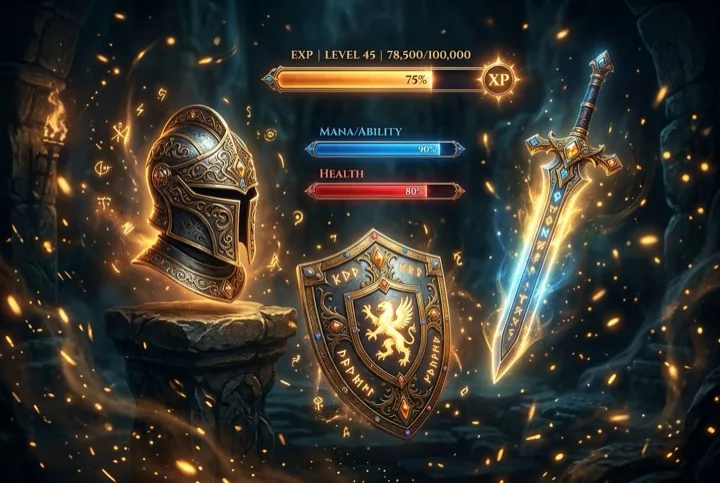
Knight helmet with sword, shield and progress bars

Role Playing

Focused heavily on narrative depth and character evolution. You must allocate substantial funds toward dedicated writers and concept artists, alongside a massive budget for continuous story expansions long after the initial release.

Open book turning into a tablet with learning blocks

Educational

Geared towards structured learning outcomes and typically marketed to academic institutions or guardians. Strict data privacy laws and robust reporting tools are mandatory technical requirements for this category.

Selecting a realistic production target

Development friction varies wildly between formats. Simple mechanics are incredibly cheap to program but require massive marketing budgets, whereas expansive strategy titles cost a fortune upfront but naturally encourage long-term community loyalty.

If you are operating with limited initial funding, industry veterans consistently recommend a minimalist approach: polish a single core mechanic perfectly, release it, and allocate the remainder of your capital toward continuous updates rather than a bloated launch.

Regardless of the format you pursue, you must be able to articulate the opening minute of gameplay with absolute clarity. If you struggle to describe that initial hook, your core concept requires refinement before you hire an engineering team.